Chickens have been a source of food, eggs, and companionship for humans for a long time–experts agree that they were domesticated between 8,000 to 10,000 years ago! Chickens have been with us for so long that they are deeply ingrained in our everyday lives–from posing as mascots for cereal brands to appearing on logos for restaurants. Chickens are even at the center of the timeless philosophical question, “Which came first, the chicken or the egg?
Despite their popularity, many common myths and misconceptions about our feathery friends exist that many people believe to be true. Well, here at Run-Chicken, we’re here to give you all the correct information about chickens and debunk some of the most common chicken myths.
Chickens Are Dirty Animals
When considering keeping backyard chickens, you may have heard some rumors that they are dirty animals. The fact of the matter is that chickens are no dirtier than other animals; their coop can be kept fresh and clean with the right care and tactics. One way to keep your chicken coop a little cleaner is to be sure to keep fresh straw, or hay spread out. Changing dirty straws in your coop and nesting boxes regularly will help keep your coop and eggs clean. As with any animal, proper care will keep your chickens and their surroundings clean.
All Chickens Are Female
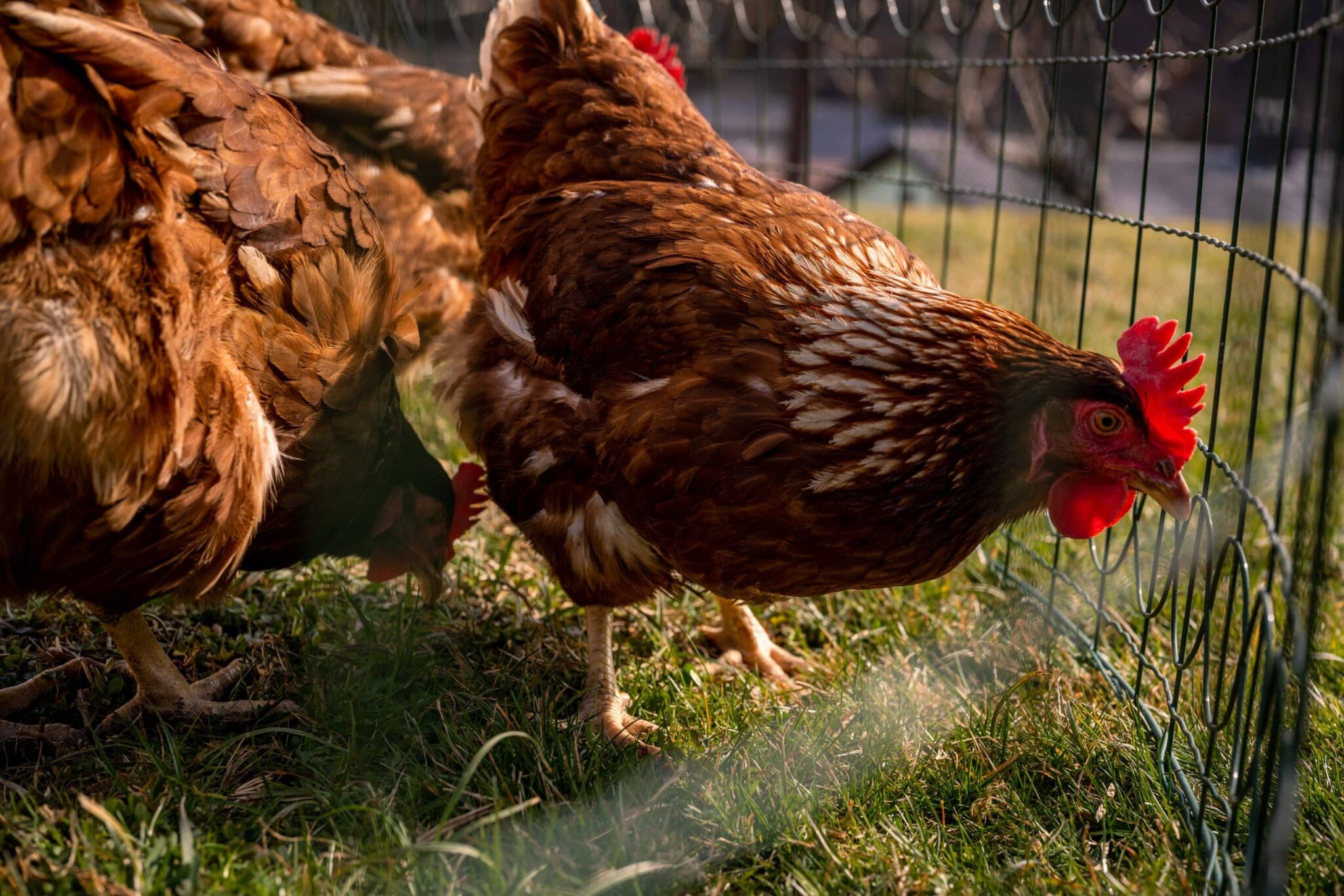
The following common myth that many people tend to believe about chickens is that all chickens are female. As with most animal species, there are male and female versions of them–this is necessary for them to be able to reproduce. Female chickens are generally called hens, and male chickens usually are called roosters. To make it easier to describe them, female chickens may be called hens or pullets, and male chickens may be called cocks, cockerels, or roosters, but they are all chickens. A good practice when keeping chickens is having at least four hens for every rooster–if you plan on having a rooster in your flock. We’ll talk more about roosters in the next section.
Hens Need a Rooster to Lay Eggs
A very common myth that most people have about chickens is that the hens (female) need a rooster (male) in order to lay eggs. To set the record straight, a hen DOESN’T need a rooster present to lay eggs; a hen produces eggs all on her own. Such as, a woman can ovulate without a man present–her body still produces an egg every month. She needs a man present only if she wants a baby–it is basically the same for a hen. Hens can ovulate once, about every twenty-five hours, which is why an egg is laid almost every day.
If there is no rooster present, then the eggs won’t ever be fertilized. This means that they’ll never develop and hatch into chicks, even if your hen becomes broody and decides to sit on them. If you have a rooster present, then it’s likely that your eggs are fertilized. You CAN eat fertilized eggs–there’s nothing wrong with them. Just be sure to collect them every day to prevent hens from sitting on them unless you want chicks.
Hens Lay Eggs Every Day
Many people also have the misconception that hens lay eggs every day. While a hen’s egg production depends on a lot of factors, one being its breed, most hen’s egg-laying frequency will decline with age. Once a hen starts laying, most breeds are capable of laying one egg every day until they reach about 2 years old. After that, their productivity usually starts to decline, or they may stop laying altogether. A one-of-a-kind nesting box from Run-Chicken can keep your girls feeling safe and secure, which in turn can help keep them productive for longer.
Chickens Are Unintelligent
Many people believe that chickens aren’t smart, but this is not the case. Chickens are super smart, emotional beings. Chickens have a complex social structure that they follow called a pecking order. In this social structure, every chicken knows its place in relation to every bird in the flock. It has been researched that they can make over 30 different sounds to communicate with each other, and they are able to memorize at least 100 different faces, including the faces of your other pets. Chickens have also been shown to have empathy and can form inter-species bonds, such as with their flock keeper. If you are raising backyard chickens, then you know they are funny little creatures that are full of personality.
All Chickens Lay Brown Eggs
While brown eggs may be more commonly associated with chickens, there are actually a wide variety of egg colors produced by different breeds of chickens. In addition to brown eggs, chickens can also lay white, blue, green, and even pink eggs, depending on the breed. Egg color is determined by the breed of chicken and has no impact on the nutritional value or taste of the egg. If you’re keeping chickens, you also notice that store-bought eggs and freshly laid eggs are very different. Eggs from the store tend to have much paler yolks, while freshly laid egg yolks are a rich color of orange. The reason for this is because, well—they’re not fresh. Also, eggs from your backyard chickens contain twice as much omega-3 fatty acids, three times as much vitamin E, and seven times as much beta-carotene! They are also much lower in cholesterol and saturated fats.
Chickens Don’t Need Extra Protection
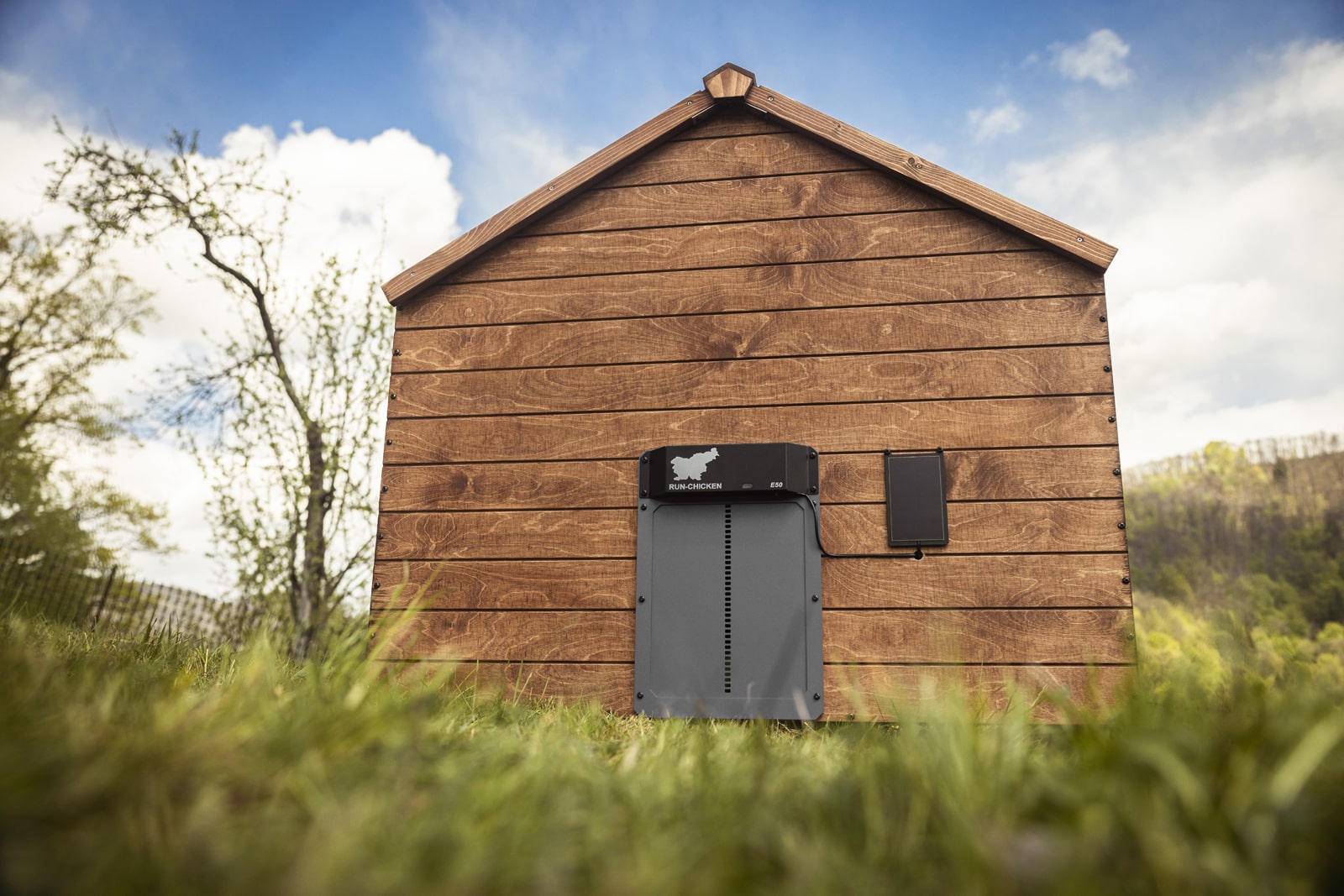
Another myth is that chickens don’t need extra protection other than a rooster. If you have a rooster present among your flock, they do offer a certain level of protection against predators. They’ll alert the flock to danger and fight predators off, but chickens also need other forms of protection. Investing in a Run-Chicken automatic chicken coop door can offer protection from predators at night. These automatic chicken coop doors are made with tough, sturdy aluminum that is sure to deter any type of predator. Automatic chicken coop doors will close securely via a light sensor at sunset, ensuring your chickens are extra protected for the night.
Chickens are Vegetarians
Another common myth about chickens is that they’re vegetarians. While you shouldn’t feed chickens…well, chickens, they are omnivores. This means they eat both plants and animals. If you have backyard chickens, note that they will happily eat anything, especially if it moves. Chickens that are allowed to free-range typically get their fill of bugs and small frogs during the day. Since they are omnivores, you want to be sure to provide them with chicken feed that is high in protein, especially if they can’t free-range. Run-Chickens indoor chicken feeder is the perfect way to ensure that your omnivorous friends have access to food all day long.
All Roosters Are Evil
One thing we’ve heard from many, many people is that all roosters are mean. We have to laugh a little when we hear this one because an ill-tempered rooster can be quite scary to handle. While the temperament of roosters can vary depending on breed, space availability, and the number of hens present, not ALL roosters are mean. If they’re properly cared for, and you spend enough time with them, then you’ll easily find yourself with a gentle, loyal rooster that will follow you around like a puppy.
Keeping Chickens Is a Lot Of Work
The last myth we want to talk about is the fact that keeping chickens is a lot of work. Although it is true that chickens wake up and need to be let out at the crack of dawn, there are a few things that you can do to save yourself a lot of time and work. Chickens need access to fresh food and water daily, and this can be time and energy-consuming. By investing in a large waterer and chicken feeder, you won’t have to feed and water them as often. Run-Chicken has an indoor feeder that can hold up to 20 lbs of food–that’s enough to feed 10 chickens for almost a week.

Another way you can save time and energy when keeping chickens is by investing in a Run-Chicken automatic chicken coop door. These automatic chicken coop doors can be controlled via a timer or light sensor, which will open at dawn or at a set time. This will eliminate the need to wake up early to let the chickens out. It also closes on its own, either at sunset or at a pre-set time. You won’t have to worry about being around to close them in the coop at night. Run-Chicken’s automatic chicken coop doors are made of sturdy aluminum, so you can sleep easy knowing your chickens are safe and secure. Raising chickens may seem like a lot of work, but there are many ways that you can automate your chores to make it easy and fun.
Shop for Run-Chicken door and get 10% OFF with this code: RC10OFF.
Conclusion
In conclusion, chickens are fascinating and intelligent animals that are often misunderstood. By debunking these common myths about chickens, we can gain a greater appreciation for these feathered creatures and the many benefits they provide. Whether you’re a backyard chicken owner or simply curious about these animals, it’s worth taking the time to learn more about these fascinating and often misunderstood creatures.
Do my chickens like me? The most common ways chickens show affection to humans